So I was thinking about my crypto stash this morning and, wow, something felt off about keeping everything on an exchange.
Really.
Short version: exchanges are convenient, but they are a single point of failure. My instinct said “move it offline.” Hmm… and that nudge turned into a full-on reassessment of what “secure” actually means for me.
At first I thought a hardware wallet was just for Bitcoin. Then I remembered all the tokens I hold, and things got messier fast.
Whoa!
Okay, so check this out—multi-currency support on hardware wallets has improved a lot. There are still gaps, though, and some trade-offs that annoy me. I’m biased, but I prefer devices that give me a clear mental model: seed phrase, device, and a software interface that doesn’t pretend to be a bank.
I’ll be honest: the learning curve sucks initially. But after a few setups, it becomes routine. The peace of mind that’s left is palpable.
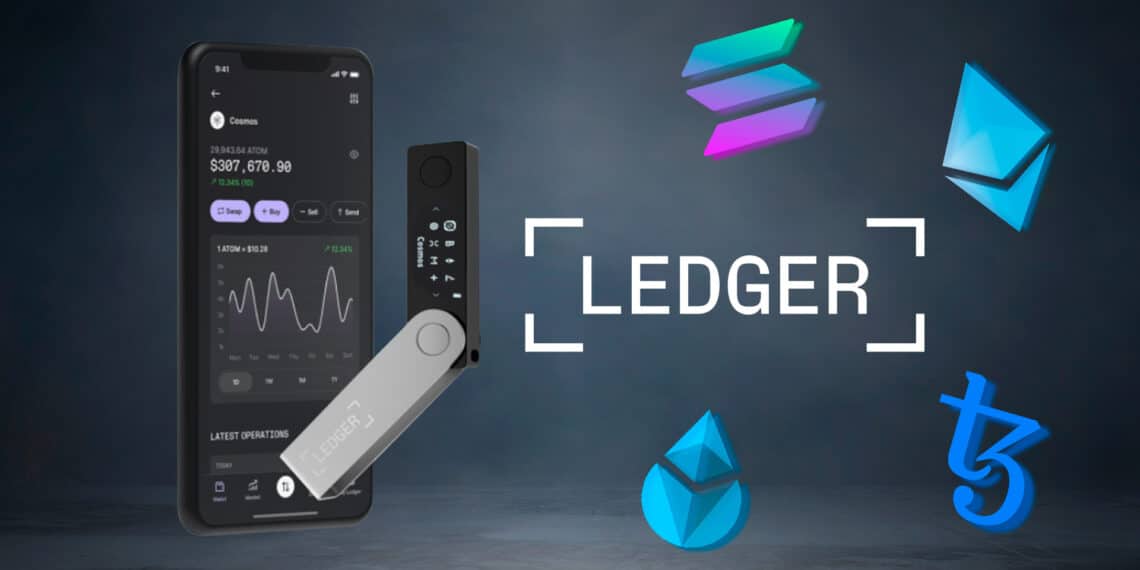
How I think about cold storage and why multi-currency support matters
I use multiple chains. Ethereum, a handful of ERC-20s, some Solana, and yes—Bitcoin. Having all those assets accessible through one hardware device, rather than juggling five different tools, simplifies recovery scenarios and reduces error. On one hand, consolidating reduces complexity; on the other hand, it concentrates risk into a single seed phrase. Though actually, wait—let me rephrase that… consolidation trades operational friction for a single recovery dependence, which is acceptable to me if the recovery process is rock solid.
Seriously?
Yep. Your recovery phrase is the Achilles’ heel. If you lose it, or if it leaks, consolidation becomes a disaster. My rule of thumb: if you use one device to manage many currencies, protect your seed even more carefully than you think you should.
Here’s what bugs me about some setups. Some wallets show support, but only through third-party integrations that feel… fragile. They rely on software bridges or cloud services that undermine the “cold” in cold storage. That part bugs me because it creates invisible attack surfaces.
My process usually goes like this: buy cold, store cold, check balances hot. You can use the device to sign transactions, then broadcast through a separate, online machine. It adds steps, but the device signs offline which matters.
Something I learned the hard way—don’t install every app on the device. Some firmware and app combos increase attack surfaces, and more apps means more complexity during recovery. Too many options can be a liability, not an asset.
Whoa!
I recommend people try a small practice recovery. Seriously, do a dry run. Initialize a new device with a test seed, transfer a tiny amount, and then recover that seed on another device. If you can’t recover cleanly, you have a problem you want to face before real funds are at stake.
My instinct said this would be overkill, but it saved me from a real scare once—typo in my handwritten seed and a day of frantic stress. I’m not 100% perfect. Nobody is.
When it comes to choosing a device, usability matters almost as much as raw security. The best hardware wallet is the one you can actually use without repeatedly risking your seed by copying it wrong. A clear UI and reliable companion software reduce mistakes, period.
That’s why the ecosystem around a device counts. Tools for firmware updates, community guides, and active security audits should weigh into your decision.
For example, I rely on a device that pairs with a well-supported desktop app to manage multiple currencies, and the pairing experience has saved me time and worry. You can check an up-to-date companion app for device management here: ledger.
Hmm…
Cold storage isn’t a single thing. It’s a set of practices: seed hygiene, device custody, update discipline, and verified recovery. On one hand, hardware wallets give you offline keys and tamper-evidence. On the other hand, poor operational practice will wreck those benefits.
Initially I thought hardware wallets were “set and forget.” That idea didn’t survive my first firmware update cycle. Actually, wait—let me rephrase that: “set and forget” works only if you keep up with firmware, but that maintenance has to be done carefully to avoid introducing risk.
There’s also the question of supported assets. Not every device supports every chain natively. Some chains require external integrations, which are fine if you understand the path the keys and signatures take. If you don’t, you might be exposing your seed through a sketchy bridge. So read the docs. Or better, test the flows.
I’m biased toward devices with a long security track record. Longevity in this world often signals better engineering and fewer catastrophes. But new projects can innovate—just be cautious and don’t be an early adopter with all your life savings.
Whoa!
One practical tip: split your approach. Use one hardware wallet for most holdings, and consider custodial or multisig for very large sums. On one hand, multisig can be a pain; on the other hand, it removes single recovery risk. There’s no perfect answer, only better trade-offs for your situation.
Also, store backups in multiple physical locations. Fireproof safe in your place, safe deposit box elsewhere. And no, not a photo of the seed on your phone—that’s basically a password in plain sight. Somethin’ I learned the awkward way.
FAQ
Can one Ledger device really hold all my different coins?
Yes, a modern Ledger device can manage many different chains through its firmware and companion app architecture. However, “manage” doesn’t always mean “full native support” for every exotic token; some assets require third-party apps or integrations. Do a test transfer and a recovery to be sure.
What if I lose the device?
If you have your recovery phrase and it’s stored safely, you can recover on another device or a compatible wallet. That’s why protecting the seed is more important than guarding the hardware itself. Still, losing a device without a secure seed backup can be catastrophic.
Are hardware wallets foolproof?
No. They’re a major security upgrade over custodial options, but human errors—phishing, writing the seed incorrectly, careless backups—remain the biggest threats. Treat hardware wallets as part of a broader operational security plan. Dragonwealth AI