Okay, so check this out—multi‑chain wallets used to feel like novelty tools for power users. Wow! They were clunky, scattered, and more headache than help. Over the last few years, though, the UX has tightened up and the feature set matured into something useful for everyday users. My instinct said it was just hype, but then I started noodling with wallets that actually let me move assets across networks without refreshing a million tabs. Seriously?
Here’s the thing. Most folks think a wallet is just a place to stash tokens. Not true. A modern multi‑chain wallet is a control center: it stores private keys (or manages them for you), lets you interact with DApps on multiple chains, holds NFTs, and can even stake assets for yield. That sounds sleek. But it also raises real questions about security, privacy, and ease of use—especially for people who are new to Web3 or who want one sane place to manage everything.
Short version: you want seamless chain switching, clear NFT handling, and reliable staking support. You also want the obvious safety bits—seed phrase controls, hardware support, and clear transaction signing UX. On the flip side, you don’t want a wallet that pretends to be decentralized while routing your keys through a third party. That bugs me. I’ll be honest: I’m biased toward wallets that keep control in the user’s hands, but I get why custodial options exist (onboarding and convenience).
What “multi‑chain” actually means (but not the marketing fluff)
Multi‑chain isn’t just “works with two chains.” Whoa! It’s about coherent cross‑chain UX. You need intuitive network switching. You need accurate token balances for each chain. And you need safe bridging workflows (because bridges are still one of the sketchiest attack surfaces in crypto). At the same time, you want your NFTs to show up reliably—metadata, artwork, provenance—without endless manual imports or opaque IPFS hashes.
On one hand, a multi‑chain wallet that integrates all of this reduces friction dramatically. On the other, each integration expands the attack surface. Initially I thought adding more chains was purely positive, but then I realized that every RPC endpoint, every smart contract allowance, and every chain’s signing method adds complexity—and risk. Actually, wait—let me rephrase that: more integrations mean more convenience, yet also demand better engineering and clearer UX to avoid costly mistakes.
Consider developer choices: do they rely on centralized RPC providers or let you plug in your own node? Do they support hardware signing? Are approvals granular or all‑in? These design decisions tell you whether a wallet is built for safety or for rapid onboarding.
NFT support — what matters beyond pretty images
NFTs are more than JPEGs. Really. They represent ownership, provenance, and sometimes access (membership tokens, game items, event passes). So when a wallet claims NFT support, check for metadata fetching, collection grouping, clear transfer flows, and safe listings. Some wallets show NFTs but don’t verify metadata origins, which leads to clutter and scams.
My experience: wallets that cache metadata and let users pin content (or verify via known gateways) perform better. Also, showing gas estimates for NFT transfers—especially across chains—is crucial. Users need to know whether moving an NFT will cost $5 or $500. People hate surprises. (oh, and by the way…) wallets that support lazy minting or gasless listings can be useful, but they usually rely on third‑party relayers, so check the trust model.
Also—tiny detail that matters—wallets that show a clear provenance trail (mint tx, creator, collection) reduce scams. I’m not 100% sure that every wallet can build a perfect provenance UI, but the effort pays off.
Staking support — hands‑on yield versus custodial simplicity
Staking is where wallets go from passive vaults to active asset managers. Want yield? Stake. Want governance power? Stake. Want passive income while you sleep? Stake. That’s attractive. Hmm… though actually, the devil’s in the details. On one end are on‑device staking flows that let users sign delegation transactions to validators they choose; on the other are custodial or pooled options where the provider runs nodes and pools assets.
If you prefer sovereignty, look for wallets that support direct delegation, show validator performance, and let you unstake without vendor lock‑in. If you value convenience, custodial staking can simplify rewards and reduce friction, but it’s a trust trade‑off. On one hand, your rewards might compound automatically. On the other hand, you’re trusting someone else with your keys and your rewards—big difference.
Practical tip: check cooldowns and penalties. Some chains require long unbonding periods. Make sure the wallet surfaces those timelines clearly. Otherwise you’ll be stuck waiting while prices move. That part — that waiting — really grinds my gears when it’s buried in fine print.
Security checklist: what to verify before you trust a wallet
Quick checklist. Short bullets for your brain:
– Seed phrase control: Are you the only holder? Can you export/import? Very important.
– Hardware wallet compatibility: Does it sign via USB/Bluetooth? If so, bonus.
– Open‑source or audited code: Look for audits and reproducible builds. Not a perfect guarantee, but helpful.
– Granular approvals: Can you revoke allowances? Can you review contract calls in readable language?
– Recovery options: Social recovery? Shamir? Backups? Know the tradeoffs.
Some users opt for a hybrid: custody for day‑to‑day trading and a hardware‑backed, multi‑chain wallet for long‑term holdings. That approach isn’t perfect, but it spreads risk. Personally, I rotate assets between hot and cold setups depending on planned activity.
Where truts fits — a practical recommendation
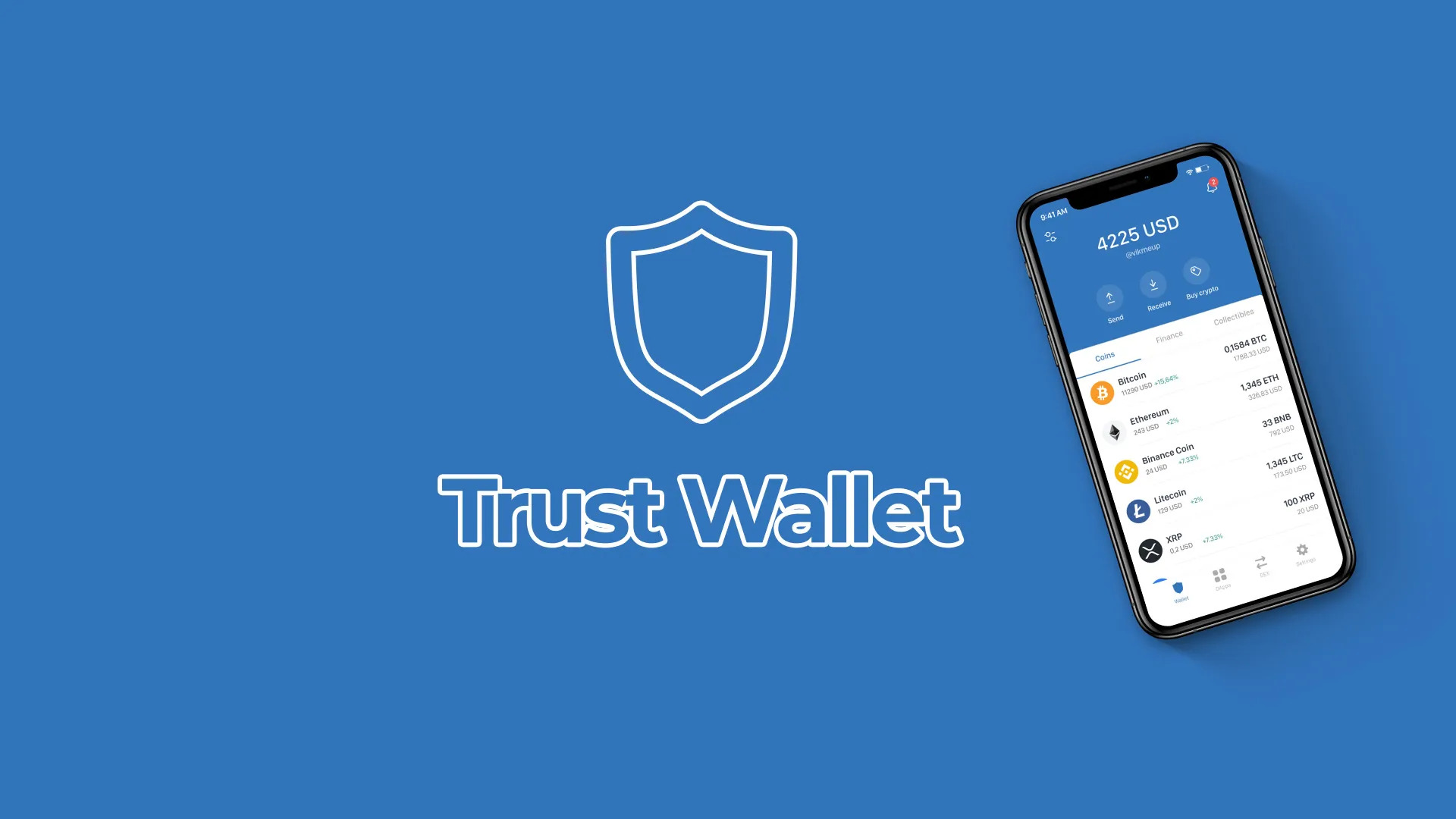
I’ve been exploring wallets that balance multi‑chain convenience, NFT clarity, and staking flexibility. If you’re evaluating options, check out truts. It’s one example that aims to combine easy multi‑chain management with NFT visibility and staking features without burying you in technical jargon. I like that they attempt to present provenance and staking timelines clearly, and that their UX doesn’t feel like it was built by committee. Try it, but always test with small amounts first—seriously.
FAQ
Do I need a multi‑chain wallet if I only use Ethereum?
Maybe not. If you never leave Ethereum, a well‑built single‑chain wallet is fine. But if you dabble in L2s, sidechains, or cross‑chain NFTs, a multi‑chain wallet saves time and reduces the chance of sending assets to the wrong network (which is otherwise a common, expensive mistake).
Are NFTs safe in a multi‑chain wallet?
Depends. The token can be safe if the private keys are secure, but NFT metadata and marketplaces can be spoofed. Prefer wallets that show provenance and let you verify contract addresses before transferring or listing items.
Is staking from a wallet as safe as using an exchange?
On‑device staking typically means you keep control of keys, which is safer from custodial risk. Exchanges offer convenience and often insurance, but you’re giving up control. Weigh convenience against the single point of failure that a custodian represents.